Swedish Fish is one of America's most popular gummy candies — but is it really Swedish? The short answer is yes, sort of. The candy was created by a Swedish company for the American market. But the version you buy in the US today is barely related to the original. Here's the full story.
The Short Answer
Yes, Swedish Fish was originally created by Swedish candy company Malaco in 1957 for the US market. But today's American Swedish Fish is manufactured by Mondelez and contains artificial dyes and different ingredients than the Swedish original (called pastellfiskar). If you want the "real" Swedish Fish experience, you need to buy the Malaco version from a Swedish candy retailer.
The Origin Story: How a Swedish Company Created an American Icon
In the late 1950s, Swedish candy company Malaco had an ambitious plan: break into the lucrative American candy market. Sweden's domestic market was small — about 8 million people at the time — and the company saw an enormous opportunity across the Atlantic. But they needed something that would resonate with American consumers who had never tasted Scandinavian candy.
Their solution was a fish-shaped gummy candy, and the shape wasn't random. Fishing has been central to Swedish culture for centuries. Sweden has over 96,000 lakes and a coastline stretching more than 3,200 km. Fish is a staple of the Swedish diet — from pickled herring at midsommar to gravlax on the Christmas smörgåsbord. For Malaco, choosing a fish shape was a way of encoding Swedish identity into a candy without requiring any explanation.
Swedish Fish launched in the US in 1957 through a distribution partnership with Cadbury. The candy was an immediate hit. Americans loved the soft, chewy texture and the distinctive red flavor — which is neither cherry, strawberry, nor raspberry, but a Swedish-style berry profile that defies easy categorization. Some candy historians believe the original flavor was inspired by lingonberry, a berry that grows wild across Sweden and is used in everything from jam to sauces.
By the 1960s, Swedish Fish had established itself as a staple in American candy aisles. The simple fish shape, the unique flavor, and the soft chew made it stand out in a market dominated by hard candies and chocolate bars.
How Swedish Fish Became Less Swedish
Here's where the story gets complicated. Over the decades, the rights to Swedish Fish changed hands multiple times through corporate acquisitions:
- 1957: Malaco creates Swedish Fish for the US market, distributed through Cadbury
- 1960s-80s: The candy builds a loyal American following, becoming a gas station and movie theater staple
- 1990s-2000s: Corporate acquisitions shift ownership through Kraft and Cadbury mergers
- 2012: Mondelez International spins off from Kraft and takes ownership of Swedish Fish
- Today: Mondelez manufactures and distributes Swedish Fish in the US with no connection to Sweden
As the candy changed corporate hands, the recipe changed too. Today's American Swedish Fish is a fundamentally different product from what Malaco originally created. The manufacturing moved out of Sweden entirely, the ingredients shifted to American-standard formulations — including synthetic dyes like Red 40 that Swedish manufacturers avoid — and the flavor profile was adjusted for American palates.
Meanwhile, in Sweden, Malaco still sells the original fish candy. It's called pastellfiskar ("pastel fish") and comes in soft pastel colors rather than the neon hues of the American version. The Malaco pastellfiskar is stamped with "Malaco" on the side rather than "Swedish," and it tastes noticeably different — more subtle, more fruity, and with a softer texture.
American Swedish Fish vs. Swedish Pastellfiskar: A Detailed Comparison
| American Swedish Fish (Mondelez) | Swedish Pastellfiskar (Malaco) | |
|---|---|---|
| Manufacturer | Mondelez International (USA) | Malaco, owned by Cloetta (Sweden) |
| Made in | United States or Canada | Sweden |
| Artificial dyes | Yes — Red 40, Yellow 5, Blue 1 | No — plant-based colorants |
| Stamped text | "Swedish" on the fish | "Malaco" on the fish |
| Colors | Neon red, yellow, green, orange, purple | Soft pastel shades |
| Texture | Firmer, more rubbery chew | Softer, smoother, more yielding |
| Flavor | Generic "berry," somewhat artificial | Subtle, multi-layered fruit |
| Sweetener | Sugar and corn syrup | Sugar (no corn syrup) |
| Availability | Every US grocery and gas station | Swedish stores, specialty importers |
| Price | $2-4 per bag | $5-8 per bag (imported) |
The differences are immediately noticeable side by side. The American version is brighter, sweeter, and has a more uniform flavor profile. The Swedish version is more nuanced — you can actually distinguish between the different colored fish because each one has a distinct fruit flavor rather than variations of the same generic sweetness.
The Flavor Mystery: What Is the Red Swedish Fish Actually?
One of the most debated questions in American candy: what flavor is the red Swedish Fish? Mondelez has never officially confirmed it. Over the years, theories have included:
- Lingonberry: The most popular theory, and the one with the most historical support. Lingonberry is a quintessentially Swedish berry, and the original Malaco recipe likely drew on this flavor.
- Cherry: A common guess, but the flavor doesn't quite match cherry. It's less tart and more complex.
- Fruit punch: Some describe it as a generic fruit punch flavor, which is plausible given how the recipe has been reformulated over decades.
- Raspberry: Another frequent guess, but again, the flavor doesn't perfectly align with any single berry.
The most likely answer is that today's red Swedish Fish is a synthetic "berry" flavor compound that doesn't correspond to any single real fruit. The original Malaco version probably had a more identifiable lingonberry-adjacent profile, but decades of reformulation have turned it into something uniquely American — a flavor that only exists as "Swedish Fish flavor."
The Swedish pastellfiskar, by contrast, use real fruit extracts. You can genuinely tell the difference between the citrus fish and the berry fish. This is partly because Swedish candy makers tend to use actual fruit-derived flavoring rather than the synthetic flavor compounds common in American candy manufacturing.
What This Story Reveals About Swedish vs. American Candy
The Swedish Fish story is a perfect case study in the broader Swedish vs. American candy divide. Two versions of the same product, diverging over decades because of different regulatory environments, consumer expectations, and manufacturing philosophies:
- Ingredients: The American version uses Red 40 and corn syrup because the FDA allows them without restriction. The Swedish version uses natural colorants and real sugar because EU regulations and Swedish consumer preferences demand it.
- Flavor approach: American candy manufacturing prioritizes bold, consistent, mass-market appeal. Swedish manufacturing values nuance and authenticity.
- Price vs. quality: The American version is cheaper because synthetic ingredients cost less than natural ones. The Swedish version costs more but delivers a product that reflects its origins.
If Swedish Fish introduced you to the concept of Scandinavian candy, that's a great starting point. But don't make the mistake of thinking American Swedish Fish represents what Swedish candy actually tastes like. The real thing is dramatically different — and better.
Why Swedish Fish Remains Culturally Important
Despite all the changes, Swedish Fish holds a unique place in American candy culture. It's one of the few American mass-market candies with genuine Scandinavian origins, and for millions of Americans, it was their first — and possibly only — connection to Swedish food culture.
In Sweden, the relationship is more complicated. Many Swedes are amused (and sometimes annoyed) that Americans associate "Swedish candy" primarily with a product that's no longer made in Sweden and contains ingredients that Swedish consumers actively avoid. It would be like Italians discovering that Americans' main reference point for Italian food was a frozen pizza made in Ohio.
But Swedish Fish has also served as an unintentional gateway. The TikTok Swedish candy boom of 2023-2024 brought millions of Americans to discover that real Swedish candy — the BUBS Sour Skulls, the Djungelvrål, the Marabou chocolate — bears little resemblance to the gummy fish they grew up with. And that surprise is what drives the discovery.
Better Alternatives: Real Swedish Gummy Candy Worth Trying
If you enjoy Swedish Fish — even the American version — you'll love these authentic Swedish alternatives that deliver what Swedish Fish promises but doesn't fully achieve:
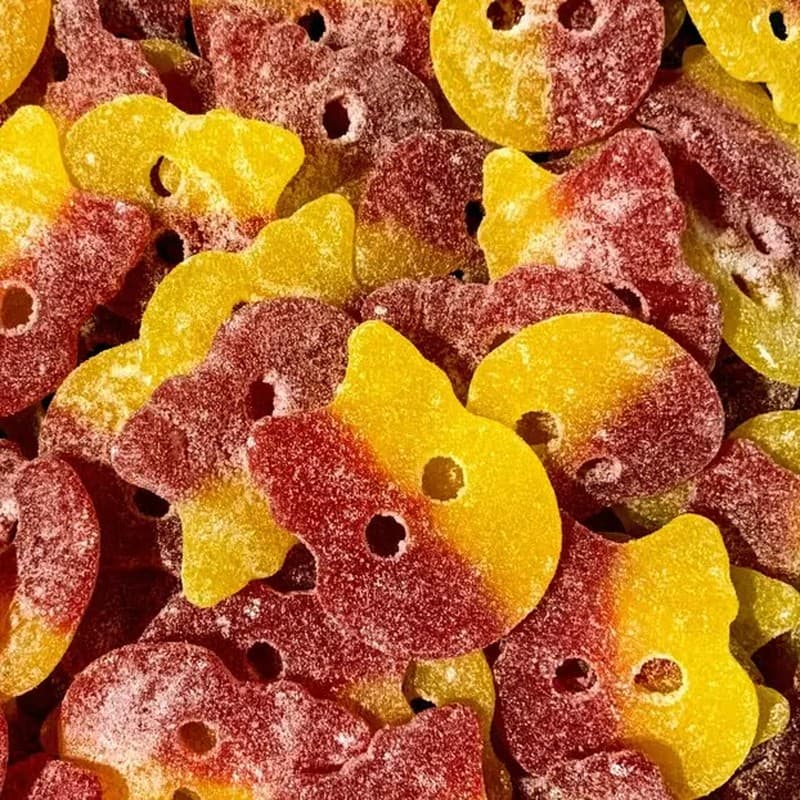
BUBS Sour Skulls — The Modern Icon
The candy that's actually going viral from Sweden right now. Skull-shaped sour gummies with an intensely sour coating that builds into sweet, fruity flavor. Naturally colored with plant-based ingredients, vegan-friendly, and with a chewy texture that makes American Swedish Fish feel like you're chewing a rubber band. This is the Swedish candy Americans are falling in love with in 2026.
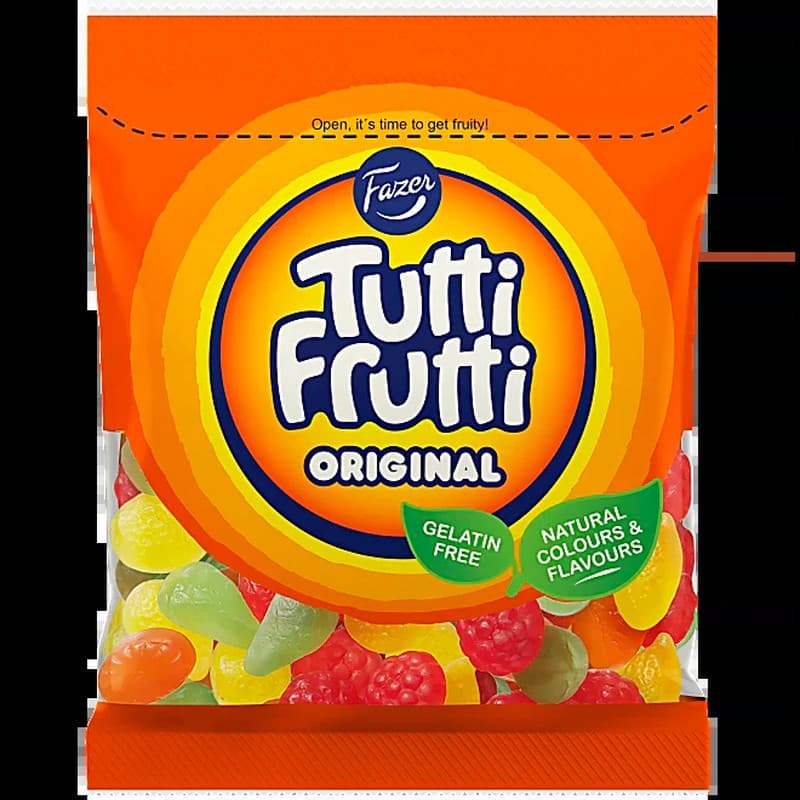
Tutti Frutti by Fazer — The Fruit Purist
Classic Scandinavian fruit gummies from Finnish manufacturer Fazer. Each piece has a distinct, identifiable fruit flavor using real fruit extracts — exactly the kind of flavor authenticity that Swedish Fish lost over decades of reformulation. Soft chew, vibrant colors from natural sources.
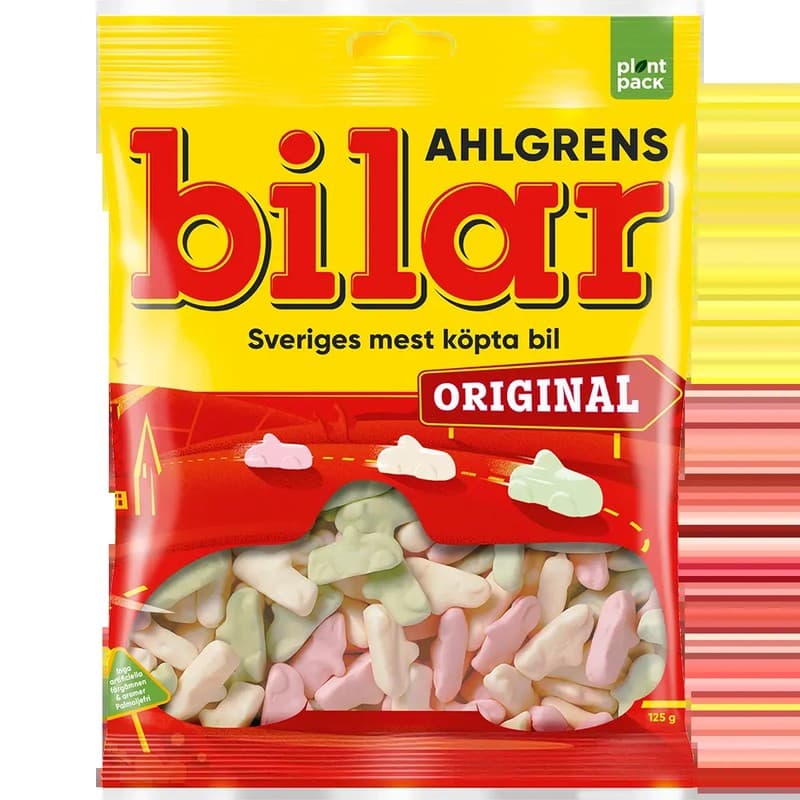
Ahlgrens Bilar — The Cultural Icon
Sweden's actual best-selling candy — car-shaped marshmallow gummies with delicate fruit flavors. Over 2 billion cars produced per year. If you want to understand what Swedes genuinely eat and love, not what was manufactured for export, Bilar is the answer. The texture is unlike anything in American candy — somewhere between a gummy and a marshmallow.
Gott & Blandat — The Lösgodis Experience
Malaco's signature mixed bag contains both gummies and licorice pieces — a combination that embodies the Swedish candy philosophy of variety and contrast. This is what Swedes grab for their Saturday candy ritual, and it includes flavors you simply won't find in American candy.
Where to Buy Real Swedish Candy in the US
The American version of Swedish Fish is available everywhere, but finding authentic Swedish candy requires a bit more effort. Your best options:
- Dedicated online retailers: Check our pick and mix guide for stores that carry the full range of Swedish candy including Malaco pastellfiskar.
- Amazon: Some authentic Swedish candy is available with Prime shipping, though prices are often marked up. See our Amazon Swedish candy guide for what's worth buying.
- IKEA: IKEA carries select Malaco and Marabou products at competitive prices, though the selection is limited. Our IKEA comparison covers what's worth grabbing.
- Specialty stores: BonBon NYC, Sockerbit (NYC and LA), and other specialty retailers carry authentic Swedish imports.
Frequently Asked Questions
Are Swedish Fish actually made in Sweden?
No — not anymore. The American version of Swedish Fish is manufactured by Mondelez International in the US or Canada. The candy was originally created by Swedish company Malaco in 1957, but production for the American market has been outside Sweden for decades. The original Swedish version (pastellfiskar) is still made by Malaco in Sweden and sold throughout Scandinavia.
Do Swedish Fish have artificial dyes like Red 40?
The American version does. Mondelez's Swedish Fish contains Red 40, Yellow 5, Yellow 6, and Blue 1. The Swedish Malaco pastellfiskar uses natural, plant-based colorants — no synthetic dyes. This is consistent with EU regulations that require warning labels on artificial dyes, making natural alternatives the industry default in Sweden.
What is the original flavor of Swedish Fish?
The most supported theory is lingonberry — a berry native to Sweden that's used extensively in Swedish cuisine. Mondelez has never officially confirmed the flavor of the American version, and decades of reformulation have likely altered it from the original Malaco recipe. The current American flavor is best described as a generic "berry" that doesn't correspond to any single natural fruit.
Why is Swedish Fish so popular in America?
Swedish Fish hit a sweet spot in the American candy market: soft chewy texture (different from hard candies dominating in the 1950s), a distinctive flavor that didn't copy existing products, and an approachable shape that made it memorable. The candy also benefited from strong distribution through movie theaters and gas stations throughout the 1970s-90s, cementing it as a nostalgia product for multiple generations.
Can you buy Malaco pastellfiskar in the US?
Yes, through specialty Swedish candy retailers. Check our where to buy guide for verified retailers that carry authentic Malaco products. Expect to pay $5-8 per bag including shipping, compared to $2-4 for the American Mondelez version. The taste difference justifies the price for most people who try both.
Is Swedish Fish candy healthy?
Neither version is a health food — both are primarily sugar. However, the Swedish Malaco version avoids synthetic dyes and corn syrup, using real sugar and natural colorants instead. If you're choosing between the two, the Swedish version has a simpler, cleaner ingredient list. But candy is candy — for a full breakdown, see our honest comparison of Swedish vs American candy health claims.

Founder & Editor
Former Swedish candy & FMCG professional turned US-based founder of SwedishCrave. Built the site to fill the gap he saw when he moved stateside.